ALLERGY & IMMUNOLOGY
FOOD & DRUG ALLERGY
Food allergies exist as immune system disorders that need complete evaluation to identify the specific condition and create appropriate long-term treatment plans. People with food allergies see the immune system overreact to proteins that are normally in foods. Symptoms of food allergies appear when a person meets any amount of the allergen traces. Because reactions can be mild or severe, working with a food allergist LA patients trust is recommended for safety and long-term health.
Food allergies often appear in the years of life. Food allergies can start showing symptoms at any age, including children, teenagers and grown adults. People who have LA food allergy will develop symptoms, which include hives, swelling, gastrointestinal problems, respiratory issues, and potentially dangerous systemic reactions. The identification of conditions at an early stage, together with appropriate treatment strategies help decrease the chances of complications while enhancing life quality.

Eight foods are responsible for the majority of allergic reactions worldwide. These include cow’s milk, eggs, fish, peanuts, shellfish, soy, tree nuts, and wheat. Identifying which of these foods is responsible for symptoms is a key step in diagnosis. A qualified food allergist Los Angeles patients depend on will perform a complete medical assessment to analyze their symptoms and select suitable diagnostic tests, which will confirm the presence of an actual allergy.
People need to recognize the main distinction that exists between food allergies and food intolerances. Often, someone thinking they react badly to a certain food might simply be intolerant. The two conditions produce identical symptoms, which include stomach discomfort, swelling and nausea. Their origins stem from different sources. The body produces these symptoms through two different mechanisms, which stem from immune system failures and from digestive issues and food sensitivities. The body activates its defense system when someone consumes particular foods, which leads to dangerous reactions that could result in fatal consequences. The immune system does not play a role in intolerance, so people who have this condition face lower health dangers than food allergy patients do. The identification of allergies requires immediate attention because people need to stay away from their allergenic triggers, and they need to plan their meals for unexpected food reactions. Getting an accurate diagnosis often sets the stage for Food Allergy Treatment Los Angeles.
Food allergies trigger cross-reactivity, which results in a medical condition. The immune system produces this reaction when it identifies proteins that have identical structures between different substances. People who have ragweed pollen allergies will also react to bananas and melons when they consume these foods. When this type of cross-reactivity involves food proteins, it is referred to as oral allergy syndrome (OAS). Symptoms are often limited to itching or mild swelling of the mouth and throat, but evaluation by a food allergist is important to ensure that reactions are not part of a more serious allergy.
Food allergies trigger different health responses, which produce different results when they occur in children compared to adults. Children sometimes develop the ability to tolerate specific allergens, which include milk and egg allergies, as they mature. The persistence of peanut and shellfish allergies exists as a distinct pattern that differentiates from other allergies, which tend to disappear during childhood. In addition, adults may develop food allergies later in life, even to foods they previously tolerated without issue. The management of food allergies requires patients to receive continuous monitoring from a food allergist Los Angeles because their allergic conditions can change over time.
Food Protein-Induced Enterocolitis Syndrome (FPIES) is a form of food allergy. Food Protein-Induced Enterocolitis Syndrome often shows up as a delayed food allergy. Families worry when it shows up because it affects infants and young children by causing stomach problems, including repeated vomiting and diarrhea that start hours after the child eats the food that caused the reaction. Dehydration can happen quickly when FPIES causes vomiting, diarrhea, and low blood pressure, which can lead to dehydration, ultimately leading to shock because the blood does not flow properly. Food Protein-Induced Enterocolitis Syndrome is triggered by eating a food allergen, like milk, soy and grains. The condition FPIES shows up in infants when they start eating foods or drinking formula. Doctors must spot FPIES fast and give the required treatment.
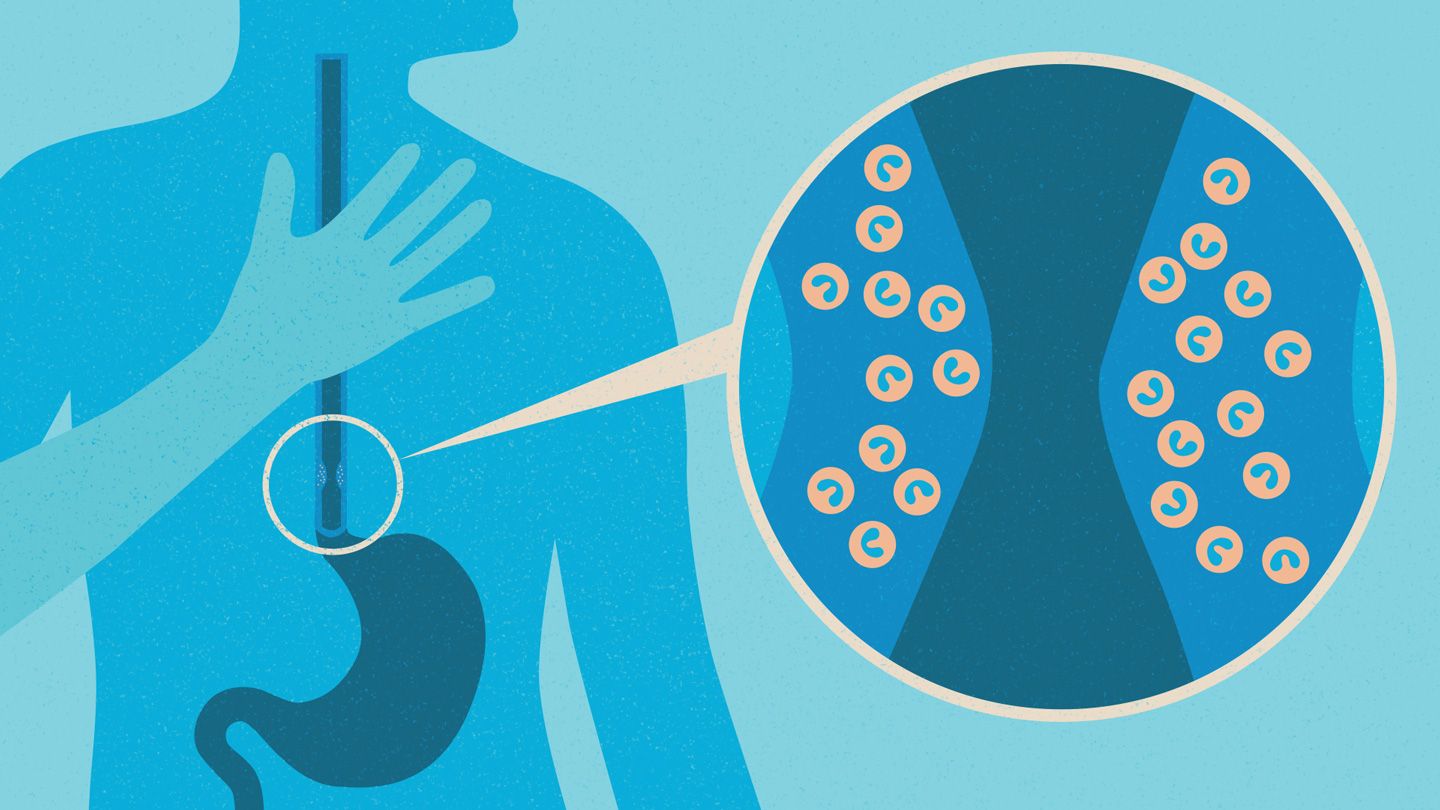
Eosinophilic Esophagitis (EoE) exists as an allergic condition that results from food allergies. EoE causes chronic inflammation of the esophagus, the tube that carries food from the throat to the stomach. Research shows that this condition occurs more frequently than doctors used to think, while food allergies and sensitivities to particular proteins in food tend to trigger its development. The symptoms of this condition include problems with swallowing and food getting trapped in the throat and chest pain, and children experience problems with their feeding process. EoE patients frequently present with allergic conditions, which include asthma, allergic rhinitis, dermatitis, and food allergy Los Angeles, according to their medical and family background history.
EGID represents a group of chronic digestive diseases that develop when eosinophils build up inside the gastrointestinal system. Eosinophils are a type of white blood cell involved in allergic responses and immune defense. The digestive system of certain people experiences tissue damage because their bodies maintain chronic inflammation because of their excessive eosinophil activity. Scientists continue to study the exact causes of EGID because they believe the condition develops from autoimmune reactions and genetic predispositions, which have not been fully understood. EGID shares with other inflammatory bowel conditions a pattern of symptom progression that includes periods of worsening and improvement that occur repeatedly.
The management of food and drug allergies requires medical professionals who will monitor patients and develop individualized treatment plans. A partnership with a reliable food allergist in Los Angeles provides patients with access to state-of-the-art diagnostic tests, evidence-based medical care, and complete Food Allergy Treatment Los Angeles programs. Medical staff who provide appropriate guidance enable their patients to decrease their health dangers and control their symptoms, which results in better confidence for their regular activities.