Eosinophilic Esophagitis
Eosinophilic Esophagitis (EoE) represents a chronic allergic disease that causes esophageal inflammation to persist. The esophagus functions as a food passage that connects the throat to the stomach. The process of swelling creates difficulties that prevent people from consuming their food properly. At the Allergy, Asthma, and Sinus Institute, we offer comprehensive Los Angeles EoE treatment. Our primary objective involves determining the underlying factors that create this condition while we work to establish methods that will help manage its symptoms.
In EoE, there are too many eosinophils in the esophagus. Eosinophils are white blood cells linked to allergic reactions. Normally, they aren’t found in the esophagus but can appear elsewhere in the gastrointestinal tract. The body keeps inflammation going for extended periods because these substances build up throughout the system. The condition will result in scarring and strictures that block food passage when left without treatment.
Research indicates that EoE develops because of food allergies, which target particular foods, and occasionally because of environmental factors. Patients who seek medical care often present with allergy-related conditions that run in their families through their personal medical history. Due to this connection, EoE is often treated along with other eosinophilic disorders that Los Angeles specialists see.
EoE affects people of all ages and both male and female genders. While it’s most common in Caucasian males, it can also occur in females and all racial groups. The treatment of early stages becomes vital for stopping future complications, leading to a better life for patients.
Diagnosis
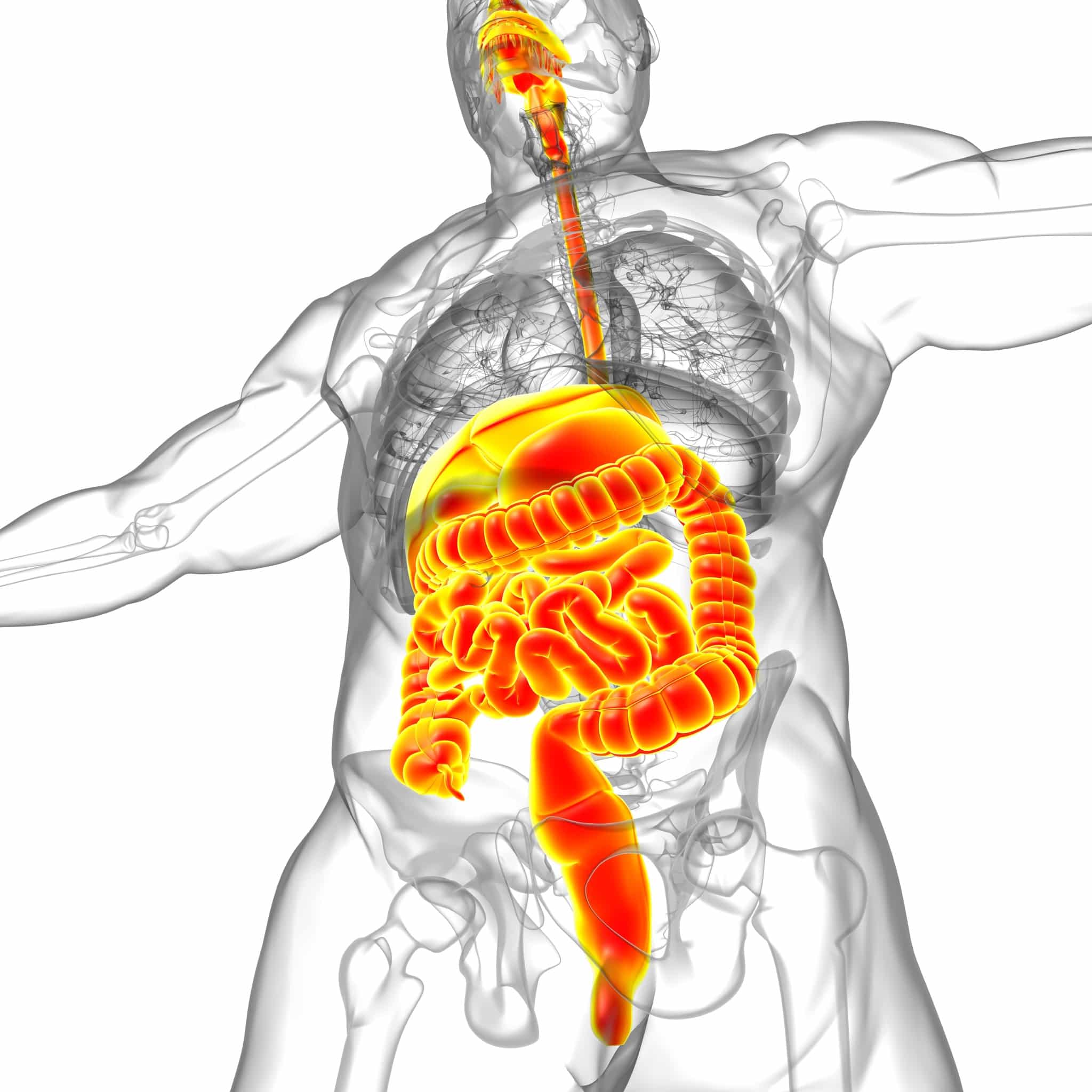
The only definite way to diagnose EoE is through an upper endoscopy with biopsy. A gastroenterologist typically performs this procedure. During the procedure, a flexible tube with a camera examines the esophagus, and small tissue samples are taken. These samples are checked for eosinophils.
An endoscopy with biopsy is often done after standard acid reflux treatments fail. This helps differentiate EoE from other causes of esophageal inflammation.
In addition to gastrointestinal evaluation, seeing an allergist is vital. They help identify food and environmental triggers contributing to EoE. Allergy testing may include skin prick tests, patch tests, and blood tests. Finding these triggers is important for effective Los Angeles EoE treatment, allowing for targeted dietary changes.
Treatment & Management
The treatment of EoE requires patients to follow two essential methods, which include dietary modifications and medical interventions. Often, both are used together.
The process of dietary management requires patients to eliminate all foods that could cause inflammatory reactions. The main food triggers that cause allergic reactions include milk, eggs, soy products, and wheat. An allergist, along with a registered dietitian, helps create a safe elimination diet. Children require this protection because it enables them to achieve their complete developmental growth.
Medical therapy works to decrease esophageal inflammation while protecting the esophageal tissue from harm. Dupilumab is the only FDA-approved medication for eosinophilic esophagitis treatment. The medication exists for patients who are 12 years old or older and have a weight of 40 kilograms or more. Dupilumab is a biologic medication given as a weekly injection. The treatment focuses on specific biological pathways that trigger allergic reactions. The research shows that this therapeutic approach successfully reduces eosinophilic inflammation while improving swallowing functions.
EoE treatment includes additional medications that help patients control their condition. Proton pump inhibitors (PPIs) work by decreasing stomach acid production, which helps some patients achieve better esophageal inflammation control. The anti-inflammatory properties of H2 antihistamines, including famotidine, help patients control their inflammatory symptoms. The treatment of eosinophilic esophagitis requires patients to take swallowed corticosteroids when their body does not react to standard therapies.
EoE patients need to stay under medical observation because their condition persists over time. The majority of patients need to undergo additional endoscopic procedures, which include biopsy sampling, to check their treatment response and inflammation levels. Regular follow-up with specialists experienced in Eosinophilic Disorders for Los Angeles patients is key for long-term control
Patients who receive Los Angeles EoE treatment will achieve symptom reduction and complication prevention, and enhanced life quality through proper diagnosis and individualized Eosinophilic Esophagitis Care.