
Food Challenge
Oral Food Challenges are the gold standard for diagnosing food allergies. They help distinguish allergies from intolerances or sensitivities. In these tests, a patient eats a specific food in increasing amounts under close supervision by trained medical staff. These challenges are recommended when medical history and standard allergy tests, like skin prick or blood tests, yield unclear results.
Unlike tests marketed as food intolerance tests or food sensitivity tests, Oral Food Challenges observe real-time reactions to food. This makes them more definitive. They can show whether a food causes no reaction or triggers allergy symptoms. For those undergoing food allergy testing in Los Angeles, this method provides clarity that other tests may not offer.
Most Oral Food Challenges are open. This means both the patient and doctor know which food is being tested. Sometimes, blinded challenges are used. In a single-blind challenge, the patient doesn’t know if they’re eating the food or a placebo. In a double-blind challenge, neither the patient nor the staff knows. Double-blind challenges are the most accurate but are rarely done outside research settings due to their complexity.
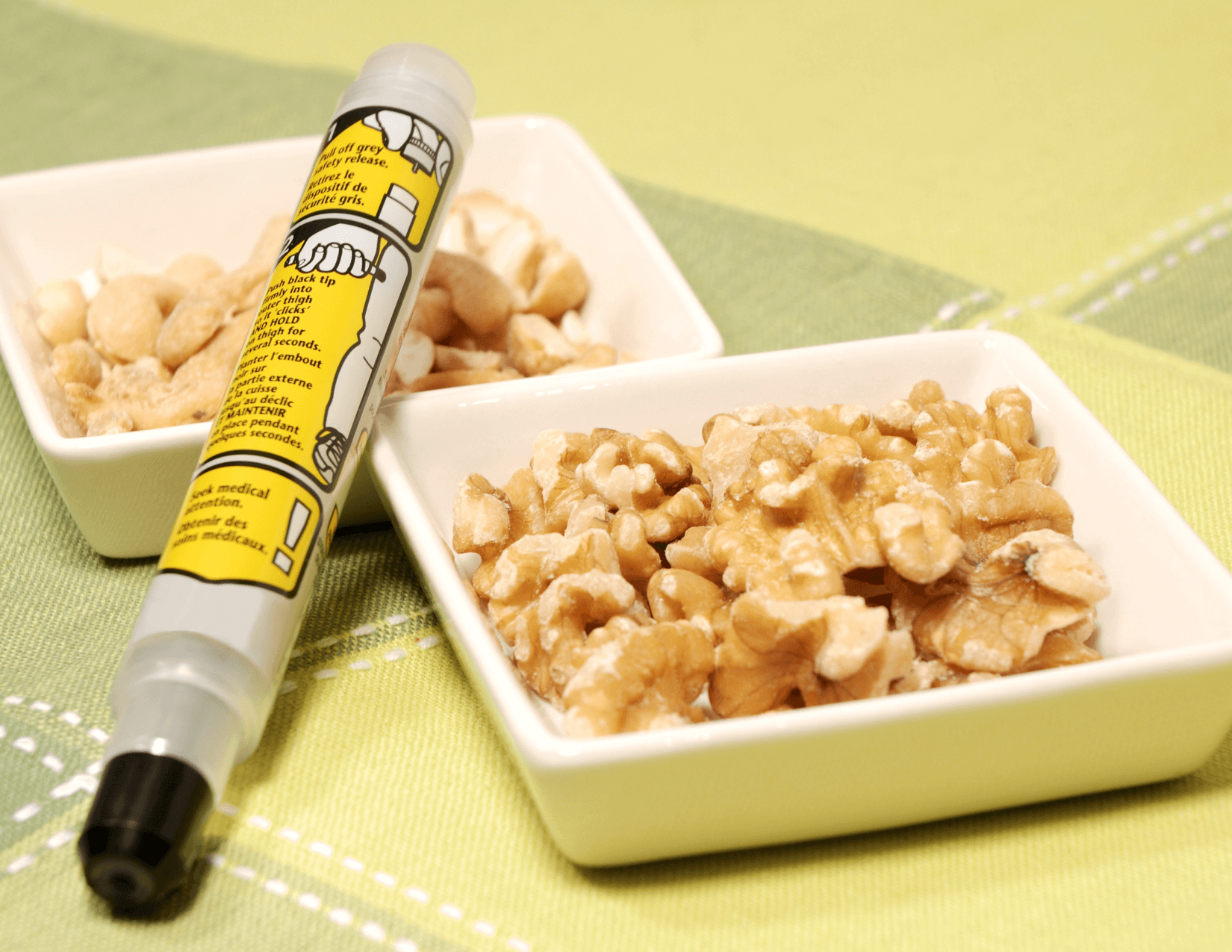

Preparing for Oral Food Challenges
The process of preparation stands as the essential factor that ensures both safety and accurate results. The test requires patients to be in a healthy state when they arrive for testing. The management of chronic conditions, including asthma, eczema, and allergic rhinitis, needs to be at optimal levels. The challenge needs to be delayed when patients show signs of illness.
Patients need to bring their prescribed medications together with their emergency medication supply. Patients need to stop their antihistamine medication because these drugs create misleading symptoms that impact the results of the test. Some people face difficulties when they need to stop taking their medications because of their allergy conditions or their severe eczema symptoms. The challenge demands that participants figure out their testing beginning because symptoms achieve their peak levels at particular times.
The selection of foods depends on what the patient has experienced in the past and which foods might cause their symptoms. The discussion about children’s food choices focuses on picky eaters because this method enables them to accept their meals. Certain food proteins can be tested in various forms. Soy products can be consumed through various forms, which include edamame, tofu, soy milk, and desserts. The system operates with flexibility, which enables users to obtain both precise test results and patient comfort during the testing process.
The medical staff typically instructs patients to stay away from food consumption, but they should only consume a small amount of light food before starting the challenge. The patient needs to undergo a physical examination and vital sign measurement before starting the procedure.
What Happens During Oral Food Challenges
The test starts with a very small amount of the suspected food. After 15 to 30 minutes, the patient is checked for symptoms. If no reaction occurs, the next dose is slightly increased. This continues until symptoms appear or a full meal-sized portion is consumed.
Medical staff closely monitor for any signs of reaction. If symptoms develop and an allergic reaction is suspected, feeding stops immediately. Appropriate medications are given based on symptom severity. Most reactions are mild, involving skin or gastrointestinal symptoms like hives or stomach discomfort. Because food is introduced gradually, these reactions are typically mild and respond well to antihistamines.
In rare cases of significant symptoms, treatment may include epinephrine and other supportive medications. Safety protocols ensure that Oral Food Challenges are among the safest procedures in allergy care.

After the Challenge
The observation period for patients without symptoms extends from one to two hours following their last medication dose before they can depart. The observation period should extend to at least two to four hours after symptoms disappear when a reaction takes place, but it should extend longer for severe reactions.
Medical literature shows that Oral Food Challenges conducted by doctors have never resulted in patient fatalities, but patients can experience allergic reactions, which sometimes progress to anaphylaxis. Children who experience an allergic reaction during an allergy challenge will not develop more severe reactions or extended allergy duration.
Benefits of Oral Food Challenges
The benefits of Oral Food Challenges are significant. If a challenge is passed, patients can safely reintroduce the food into their diet. This improves nutrition, dietary variety, and quality of life. It is particularly beneficial for children and families avoiding foods due to uncertain results.
Even if a challenge confirms an allergy, the outcome is still valuable. Knowing which foods to avoid allows for better dietary planning and less anxiety. Compared to generalized screening tools like a Food Intolerance Test in Los Angeles, Oral Food Challenges provide clear, medically reliable answers.
For those navigating food allergy testing in Los Angeles, Oral Food Challenges remain the best way to distinguish true food allergies from intolerances or sensitivities. They ensure accurate diagnosis, improved safety, and greater confidence around food choices.