
Intravenous Immune Globulin (IVIG)
The medical community uses Intravenous immune globulin IVIG as a recognized treatment for patients who have immune system disorders, particularly those with Primary Immunodeficiency Disease (PIDD). People with PIDD do not have enough antibodies to fight infections. Their bodies become more susceptible to illnesses, which result in both frequent and severe health problems. IVIG therapy helps by providing the antibodies that their bodies cannot produce.
The treatment of IVIG therapy delivers immunoglobulin, which is also known as antibodies, through vein infusions under the name immune globulin intravenous IVIG. The plasma of thousands of healthy donors provides the antibodies, which are processed into a sterile solution for medical use. Patients need to collaborate with their doctors to select the appropriate IVIG product from the various available options. The decision requires consideration of multiple factors, which include tolerance levels, dosing requirements, infusion rates, and existing medical conditions of the patient.
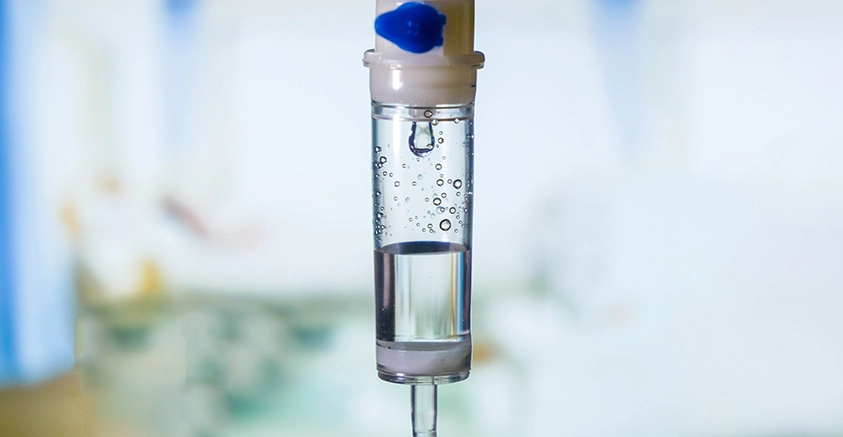

How IVIG Therapy Works
The immunoglobulin products contain highly concentrated antibody proteins that provide patients with passive immunity. The immune system uses these antibodies to detect and eliminate pathogens, including bacteria, viruses, and other infectious agents. The manufacturing process, which begins with plasma donation from multiple donors, needs complete purification to reach the highest level of infection safety. The final product exists as a sterile medical product that has received proper approval for medical applications.
Intravenous gamma globulin (IVIG) serves as the primary treatment for patients who can also receive alternative therapies. The medical treatment of immunoglobulin requires patients to receive it through skin injections instead of intravenous injections. Patients begin their treatment with IVIG therapy before they transition to subcutaneous injections, which provide better convenience for home care. The two methods deliver successful results, and people should choose based on their personal lifestyle, medical requirements, and their ability to handle the treatment.
IVIG Infusion Treatment Process
An IVIG infusion treatment is usually given in a clinical setting under medical supervision. Each infusion can take about four to eight hours. This time covers only the infusion; additional time is needed to prepare the medication and set up the IV catheter.
Infusion times may increase if a patient has side effects or needs a slower rate. Schedules vary based on the condition being treated. IVIG infusions are often given every three to four weeks, while subcutaneous therapy is usually weekly. Your doctor will decide the best schedule based on your immune levels and treatment response.
Most patients don’t find the infusion painful, but some may feel discomfort during the IV catheter placement. Medical staff work to ensure comfort throughout the process, making adjustments as necessary.


Side Effects and Safety Considerations
The administration of intravenous therapy leads to possible side effects, although dangerous reactions happen only infrequently. Healthcare providers can give intravenous immune globulin IVIG to most patients without issues when they follow appropriate safety measures. Patients who take antihistamines, acetaminophen, and other medications before their treatment will experience decreased side effects.
Common side effects of IVIG include headaches during or after the infusion. Patients develop coldness, which makes them ask for blanket coverage. The body may experience fatigue, together with muscle pain and slight fever after treatment, but patients should expect to rest before they can resume their normal activities.
More serious reactions are rare, but they can occur. Medical staff need to monitor all IVIG therapy administration because patients require constant observation during their initial treatments and when they receive different products. Patients need to inform their healthcare provider about all their symptoms because this information will help the provider make necessary treatment changes.
Individualized Treatment and Product Selection
All forms of immunoglobulin therapy are effective, but individual tolerance can vary. The effectiveness of certain patients improves when they receive specific medication formulations, which also help them experience fewer side effects from particular drug brands. Your doctor needs to discuss available IVIG product options with you.
The process of selecting an appropriate treatment plan needs both patient and provider to work together while keeping a close watch on the situation. The system needs to run scheduled updates to reach its highest operational performance while delivering users their most optimal experience. The successful treatment of IVIG (Intravenous Immunoglobulin) requires individualized care for patients with IVIG (Intravenous Immunoglobulin) Treatment & Side Effects in Los Angeles.
Living With IVIG Therapy
For many, IVIG therapy greatly improves quality of life by reducing how often and severely they get infections. While it is a long-term treatment for most with immune deficiencies, many patients adjust well and see significant health benefits.
Whether in a clinic or at home, IVIG infusion treatment provides reliable immune support. With proper medical guidance, ongoing monitoring, and open communication, intravenous immune globulin (IVIG) can be a safe and effective part of managing an immune deficiency.